
Japan has the tradition of a two-faced approach Honne and Tatemae which covers the difference between private and public. The same process but with tradition vs. innovation can be found in art and Japanese museums. Best Tokyo Museums follow this fascinating fusion. From Tokyo`s modern to Kyoto`s timeless elegance, Japan offers a very broad range of captivating and diverse museums. This article focuses on the ones located in Tokyo.
Tokyo National Museum
The history of the museum dates back to 1872 when it was known as the Imperial Museum. Officially it opened much later in 1878. Its first collection was historical artifacts from Edo Castle.
Nowadays you can find their wide collections including Asian art, Japanese art, many archeological artifacts, paintings, sculptures, ceramics, calligraphy, samurai armor, and textiles.
The most important building is the Honkan where you can find masterpieces like Fujin Raijin-zu (Wind and Thunder Gods) made by Tawaraya Sotatsu, or the Tale of Genjo by Tosa Mitsuoki.

Always check if the museum is hosting any special exhibitions. You might be lucky and have a chance to see something rare. Some previous notable exhibitions included ancient Buddhist sculptures or ukiyo-e woodblock prints.
The museum is open daily from 9.30 am to 5.00 pm. The hours may differ during public holidays.
National Museum of Modern Art (MOMAT)
Momat was founded in 1952 partly by the Ministry of Education, Science, Sports, and Culture. The majority of its collection consists of early 20th-century art to present-day works including paintings, sculptures, prints, installations, and more.
Some of the iconic pieces you will find inside are made by renowned artists such as Yayoi Kusama, Kazuo Shiraga, and Yasuo Kuniyoshi. The art history is full of many movements like Nihonga (traditional Japanese painting), or Western-style that have their representatives in the museum too.
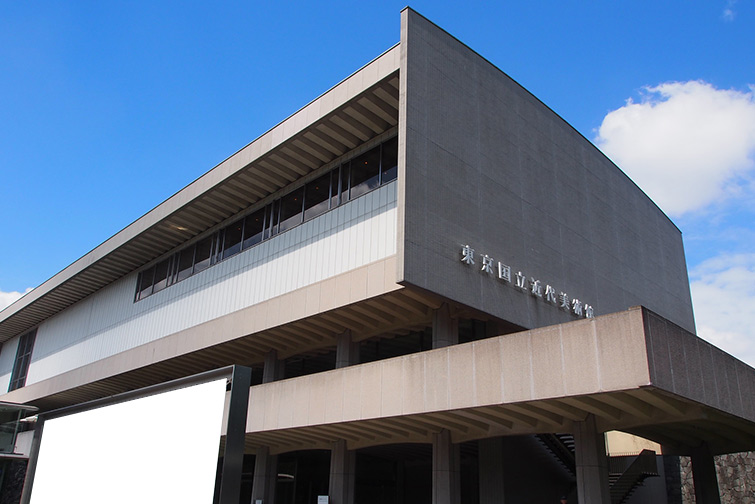
Past exhibitions included many thematic ones such as post-war Japanese art, or the influence of international movements on Japan and its art.
The museum opens daily from 10 am – 5 pm, Friday and Saturday to 8 pm.
Edo-Tokyo Museum
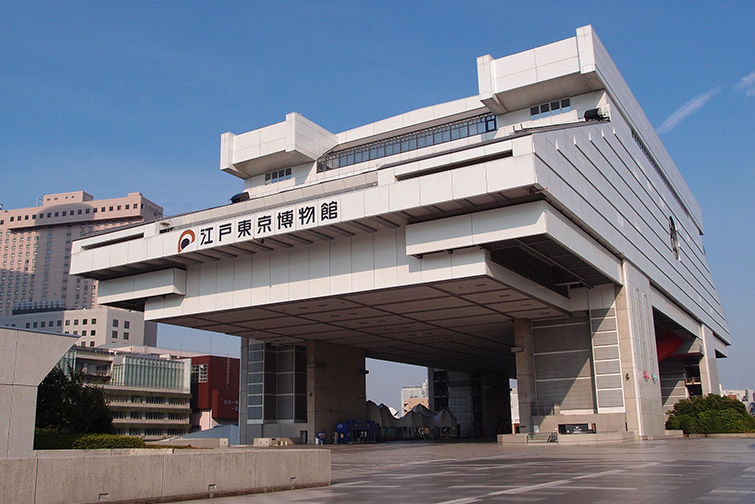
The museum covers the transformation of Tokyo from the Edo period to the modern era. It opened its doors in March 1993 in the Ryogoku district to educate people about the history and cultural heritage of Tokyo.
You can expect to find replicas of historical buildings, dioramas, immersive rooms, and interactive displays.
But not only the inside part of the museum is interesting. The building housing the exhibitions is in design very unique too. Futuristic resembling an elevated wooden box or a more traditional kurazukuri storehouse.
The place is usually open from around 9.30 am to 5.30 pm.
Ghibli Museum
The museum that is situated in Mitaka covers the world of Studio Ghibli, a Japanese animation studio. It opened in October 2001. Director Hayao Miyazaki is one of the noteworthy names who co-founded it. He is also the person who designed it. And the building can be seen as art itself. The museum resembles a storybook castle.
You will not find static collections in it. Immersive and interactive experiences are the key highlights – art installations, dioramas, animation production displays, rooftop garden with a Laputa robot. Or special exhibitions offering views inside original artwork, storyboards, and behind-the-scenes.
It is usually open from around 10.00 am to 6.00 pm.

Mori Art Museum
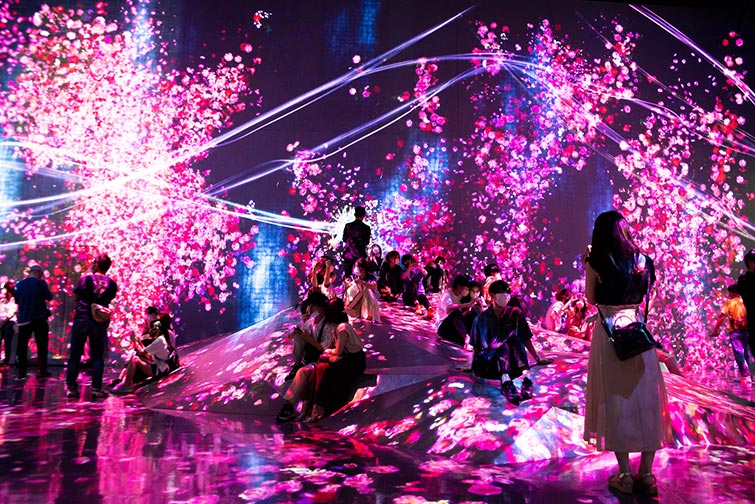
The museum showcases contemporary art. You will find it in the Roppongi Hills complex. It opened in 2003 with the help of Mori Foundations, a philanthropic organization.
The majority of the collections on display are not permanent and they change regularly. They cover a broad spectrum from sculpture, paintings, photography, and installations to video, or multimedia works.
Some of its past exhibitions questioned topics like urbanism, sustainability, social issues, or the relationship between art and technology. Influential artists like Lee Mingwei and N.S. Harsha has hosted retrospective exhibits.
You have the chance to enjoy the art either during the day or late in the evening. The museum is open daily from 10.00 am to 10.00 pm.
Nezu Museum
More of a cultural institution, this place has a stunning collection of traditional Japanese and East Asian art. The place was established in 1940. Back then it belonged to the Nezu Institute of Fine Arts. Nezu Kaichirō is the name of its founder, a successful businessman and art collector.
With traditional art, you can imagine ceramics, tea ceremony utensils, calligraphy, sculptures, and textiles. It is open daily from 10.00 am to 4.30 pm. The museum also features a beautiful garden which makes for a great background lurking inside through big windows.
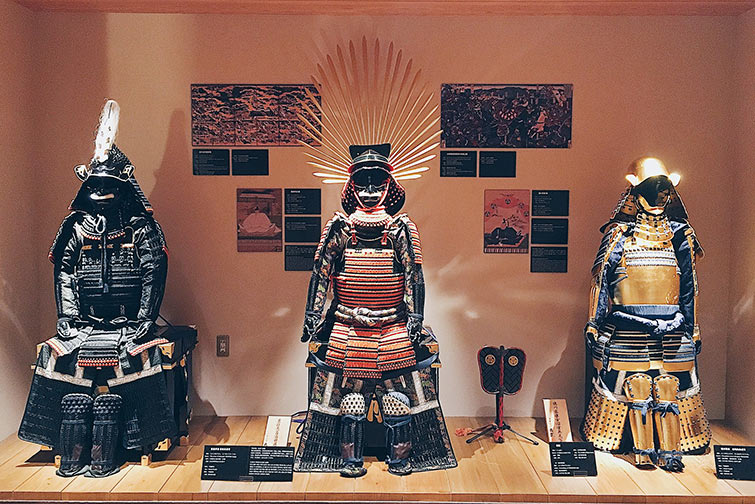
Samurai Museum
You will find the museum in Tokyo, Shinjuku district. It is dedicated to the culture and history of the samurai, the legendary warrior class. It opened in 2015 to educate and immerse visitors into the world of the samurai.
Inside lies a broad array of samurai-related artifacts such as helmets, swords, or clothing. As a result, the visitor can get insight into the samurai`s way of life, training, and what kind of role this person played in Japanese history. You have also the chance to experience the samurai life as part of performances, or demonstrations. In particular, the traditional sword-fighting displays are prevalent.
You can visit the place from 10.30 am to 9.00 pm.
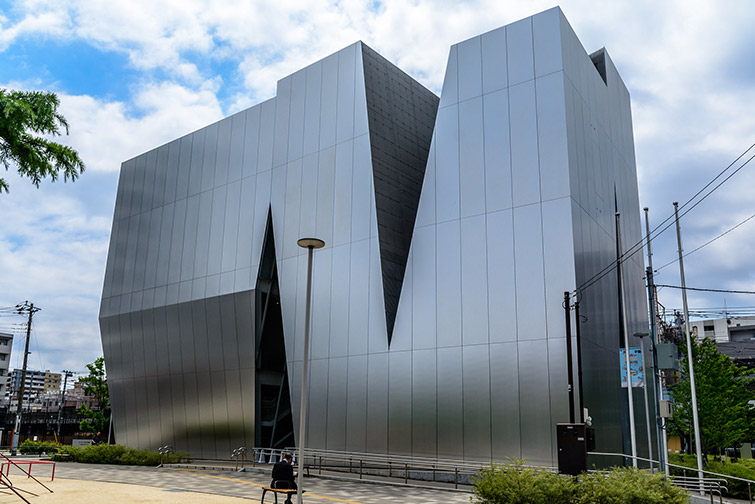
Sumida Hokusai Museum
The museum opened in 2016 in the Sumida Ward of Tokyo.
Its main purpose is to celebrate the life and art of Katsushika Hokusai, Japan`s most famous and influential ukiyo-e artist. The most famous and iconic artwork is the woodblock print “The Great Wave off Kanagawa.”
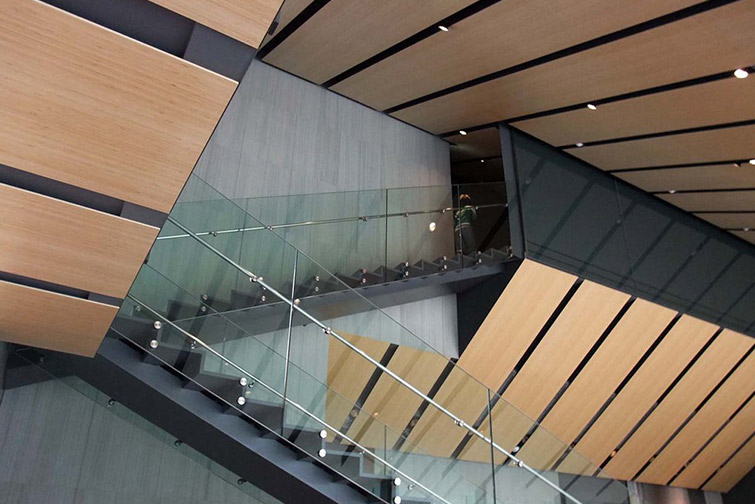
The internationally renowned architect Kazuyo Sejima (SANAA) designed it in a minimalistic and contemporary style. Some of its features include interconnected glass boxes which allow natural light to come inside. The shape reflects also the evolution of Hokusai as an artist such as he does in the “Thirty-Six Views of Mount Fuji”.
Besides woodblock prints, you will find many sketches, paintings, illustrated books, interactive displays, and multimedia presentations, and read about artists’ life and creative process.
The museum is open daily from 9.30 am to 5.30 pm.
Where to stay
Budget-Friendly
Sakura Hotel Ikebukuro (Near Samurai Museum)
Located in the Ikebukuro area, the hotel offers dormitory-style rooms, private rooms, and a friendly atmosphere. It’s within walking distance of the Samurai Museum.
APA Hotel Asakusa Tawaramachi Ekimae (Near Tokyo National Museum)
A no-frills budget option located in the Asakusa area, offering compact but clean rooms. It’s a short distance from the Tokyo National Museum.
Mid-Range
Hotel Mystays Asakusa (Near Edo-Tokyo Museum)
Situated in the Asakusa district, this mid-range hotel provides comfortable rooms with modern amenities.
Centurion Hotel Ueno (Near Nezu Museum)
Located in the Ueno area, this hotel offers stylish and comfortable rooms.
Luxurious
The Prince Park Tower Tokyo (Near Mori Art Museum)
Nestled in the Tokyo Tower complex, this luxury hotel offers spacious rooms with stunning views of Tokyo. It’s in proximity to the Mori Art Museum in Roppongi Hills.
The Ritz-Carlton, Tokyo (Near Ghibli Museum)
For a truly luxurious experience, The Ritz-Carlton is located in the Roppongi area, offering elegant rooms, impeccable service, and breathtaking views. While it’s a bit further from the Ghibli Museum, it provides a luxurious stay in Tokyo.
Sources:
wikipedia.com
tripadvisor.com
lonelyplanet.com
Google Maps and reviews

About Author
Freya
Photographer, artist, content creator, and a solo female traveler since 2017.