
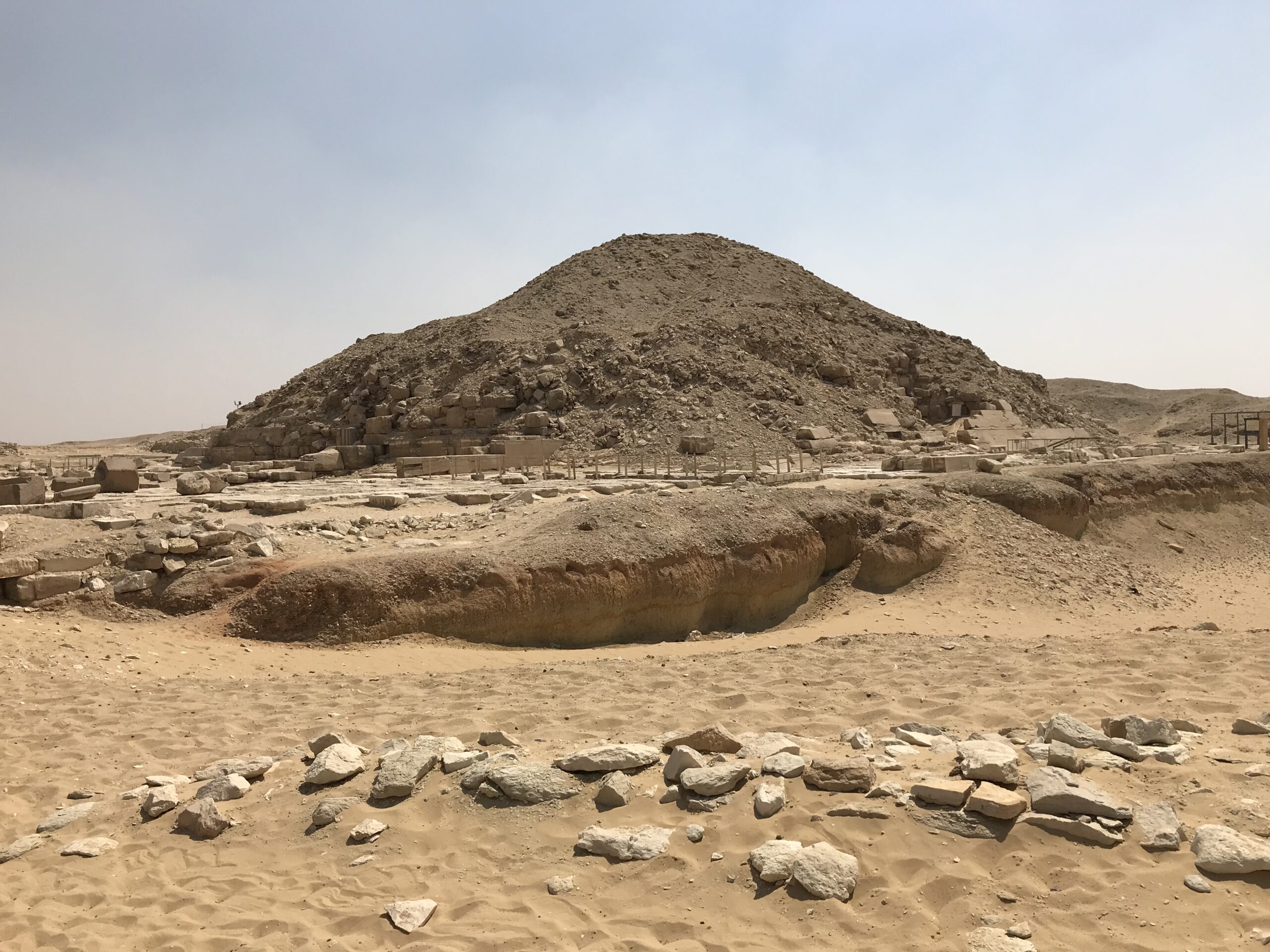
Come with us on a captivating journey through time and space as the article unveils the astonishing wonders of the oldest and largest pyramids in the world that have left an indelible mark on human history. From the enigmatic structures of Egypt’s ancient pharaohs to the mystical temples of Mexico’s Maya and Aztec civilizations, these iconic monuments showcase the brilliance and ingenuity of our ancestors (or maybe aliens?).
Egypt, Giza and Saqqara
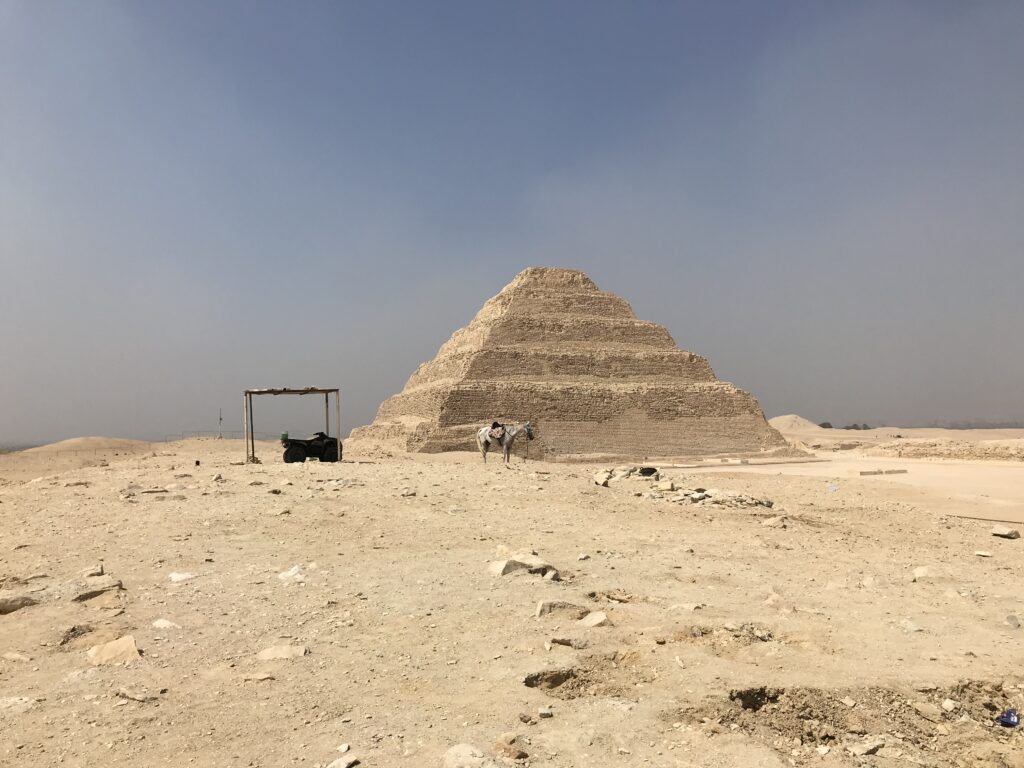
The first known pyramid named Pyramid of Djoser, sometimes referred to as the Step Pyramid, was built in Egypt, Saqqara during the 27th century BCE. As the name suggests it used to serve as the tomb for Pharaoh Djoser. The pyramid was designed by architect Imhotep. It is 62 meters tall and it has 6 terraced layers. There are many tombs, temples, and mastabas in the complex that served as the royal necropolis for many Egyptian pharaohs.
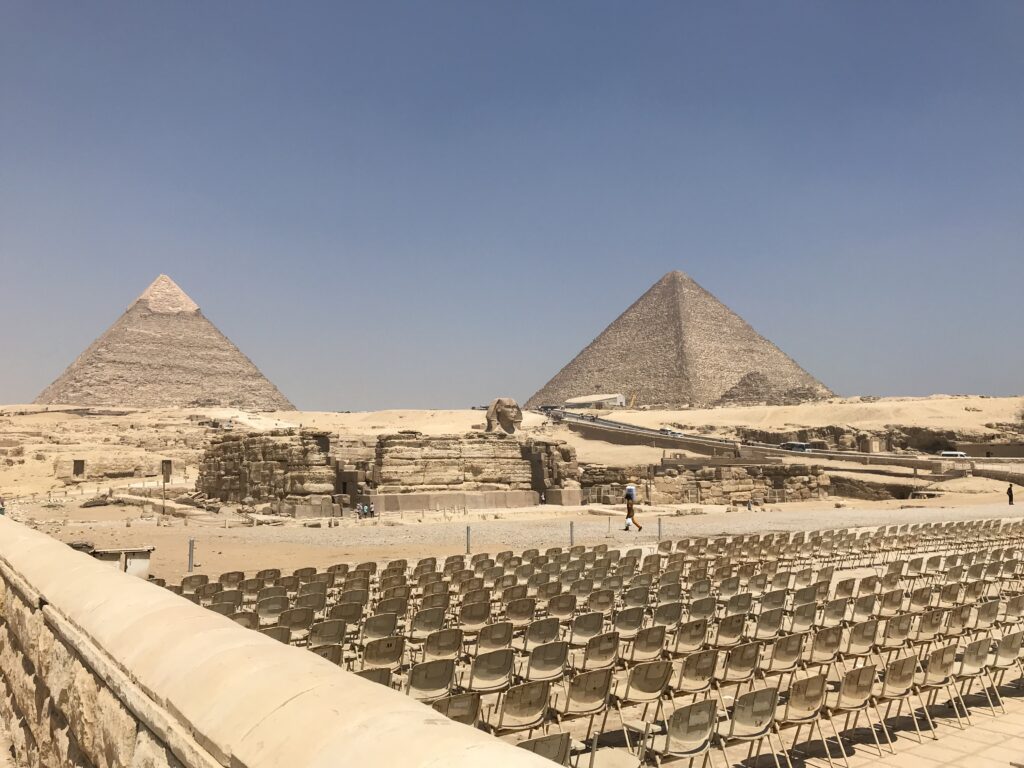
Giza pyramids are the most famous pyramids in the world. They are not only visited by many people every year but studied by many archeologists as well. The mystery that hides behind the precise construction methods used to create these landmarks remains a subject of fascination and study for both groups. They were built around 2580-2450 BCE during the Fourth Dynasty of the Old Kingdom. The Great Pyramid of Giza is 138.8 meters tall. It was built to function as a tomb for Pharaoh Khufu. There are two smaller pyramids around it, the Pyramid of Khafre and the Pyramid of Menkaure.
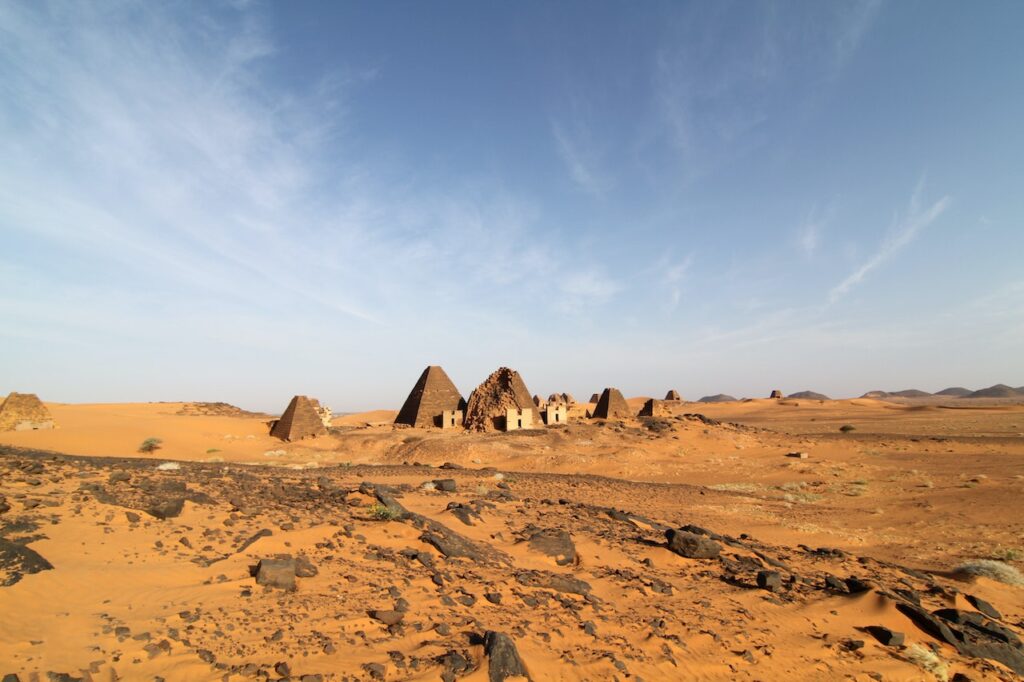
Sudan, Pyramids of Meroe
The Pyramids of Meroe, situated in Sudan, were constructed by the Kingdom of Kush (Meroe) between 712 BCE and 350 CE. The capital city of Meroe was known as Napata, and later as Meroe, which gave the kingdom its name. These ancient structures served as burial sites for Kushite royalty and elites.
Unlike the Egyptian pyramids, the Meroitic pyramids are smaller and more steeply sloped, featuring distinctive Nubian architectural elements. Around 200 pyramids fill the Meroe landscape, showcasing the cultural significance and sophisticated craftsmanship of the Meroitic civilization. These pyramids have stood the test of time, preserving the legacy of a remarkable ancient African kingdom and serving as a reminder of the rich history that once flourished along the banks of the Nile River.
Mexico pyramids, Teotihuacan, Chichen Itza
Mexico is a land of rich history and ancient wonders, with Teotihuacan and Chichen Itza standing as a testament to its magnificent past. Teotihuacan, located near Mexico City, was a pre-Columbian city flourishing around 100 BCE to 550 CE. Its monumental structures, including the Pyramid of the Sun and the Pyramid of the Moon, showcase the city’s advanced urban planning and religious significance.
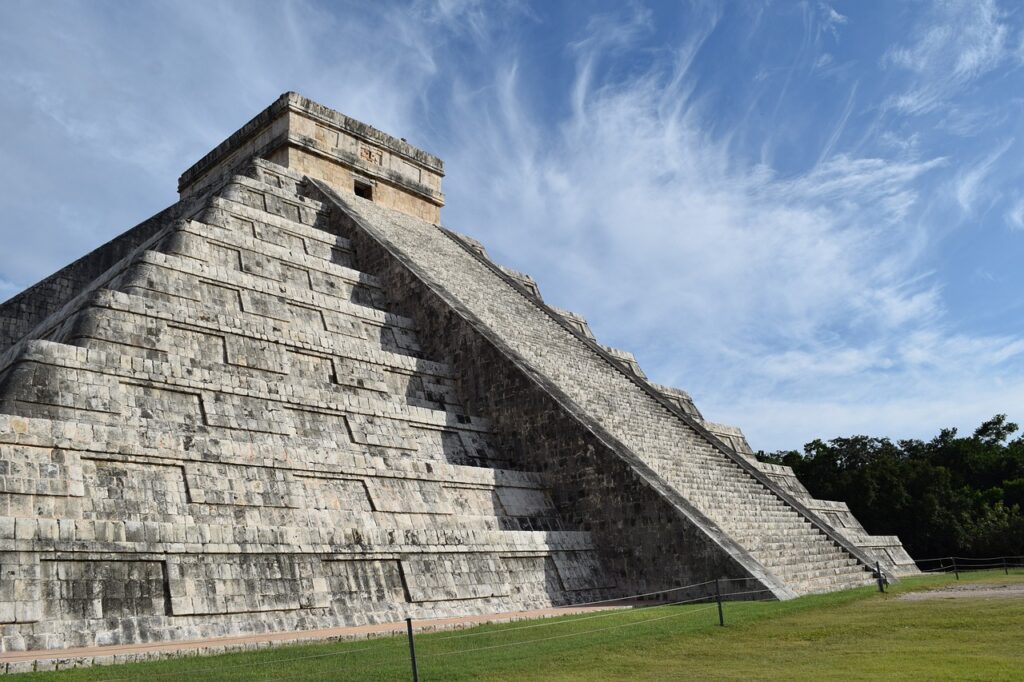
Chichen Itza, on the Yucatan Peninsula, was a significant Mayan city from 600 to 1200 CE. Its most famous structure, El Castillo (Temple of Kukulcan), is a stunning pyramid with remarkable astronomical alignments. These iconic sites offer captivating insights into Mexico’s ancient civilizations and have earned well-deserved recognition as UNESCO World Heritage Sites and definitely belong to one of the largest pyramids in the world after Giza.
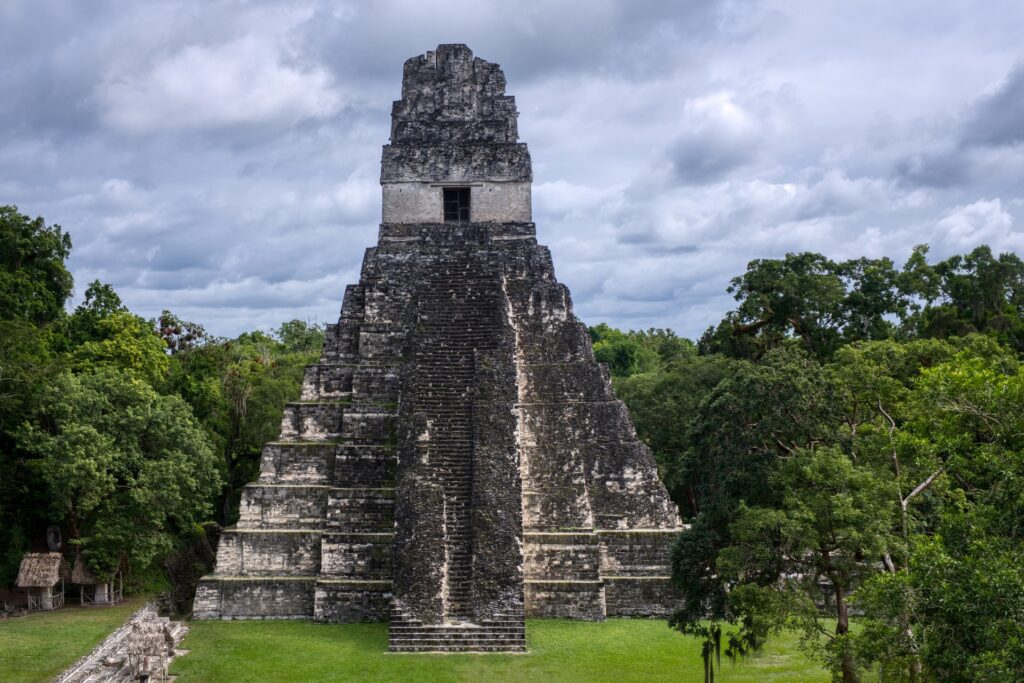
Guatemala, Tikal Temple
Tikal, located in Guatemala’s lush rainforests, was a mighty ancient Mayan city. Its temple pyramids, like Temple I and II, rise majestically above the jungle canopy. These iconic structures served as religious and ceremonial centers, reflecting Tikal’s significance as a thriving political and cultural hub during the Classic Period (c. 200-900 CE). Today, they stand as awe-inspiring remnants of the Mayan civilization’s architectural prowess and spiritual devotion.
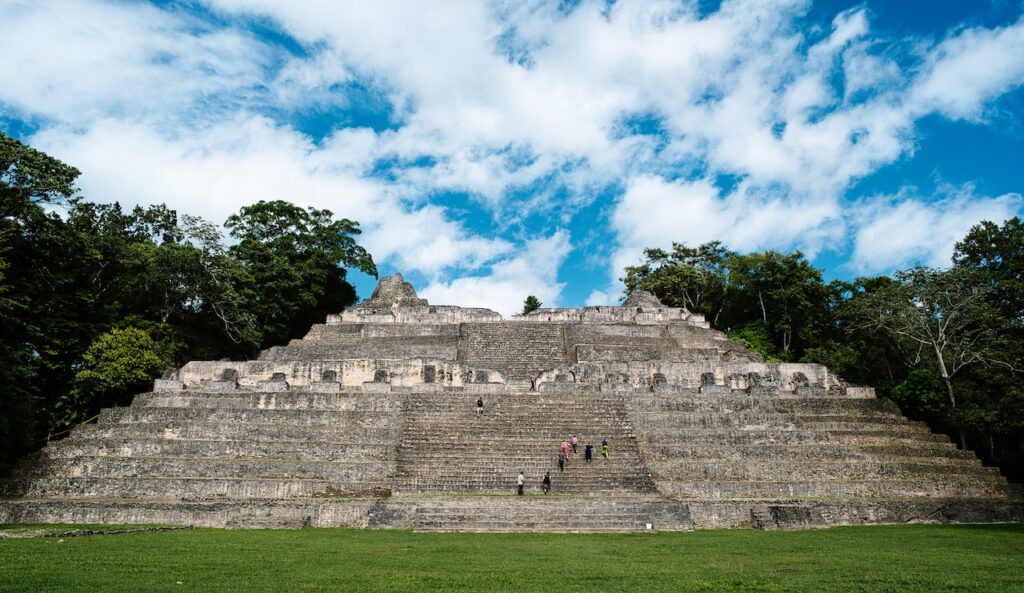
Belize, Caracol and Lamanai
Belize, nestled in Central America, has two remarkable ancient Maya sites: Caracol and Lamanai. Caracol’s massive pyramids belong to one of the largest pyramids in the world. Their structures showcase its prominence as one of the largest Mayan cities. Lamanai, set amidst the lush rainforest, houses impressive temples like the Mask Temple and High Temple, revealing the city’s rich religious heritage. These archaeological treasures offer a glimpse into Belize’s fascinating past and the legacy of the ancient Maya civilization.
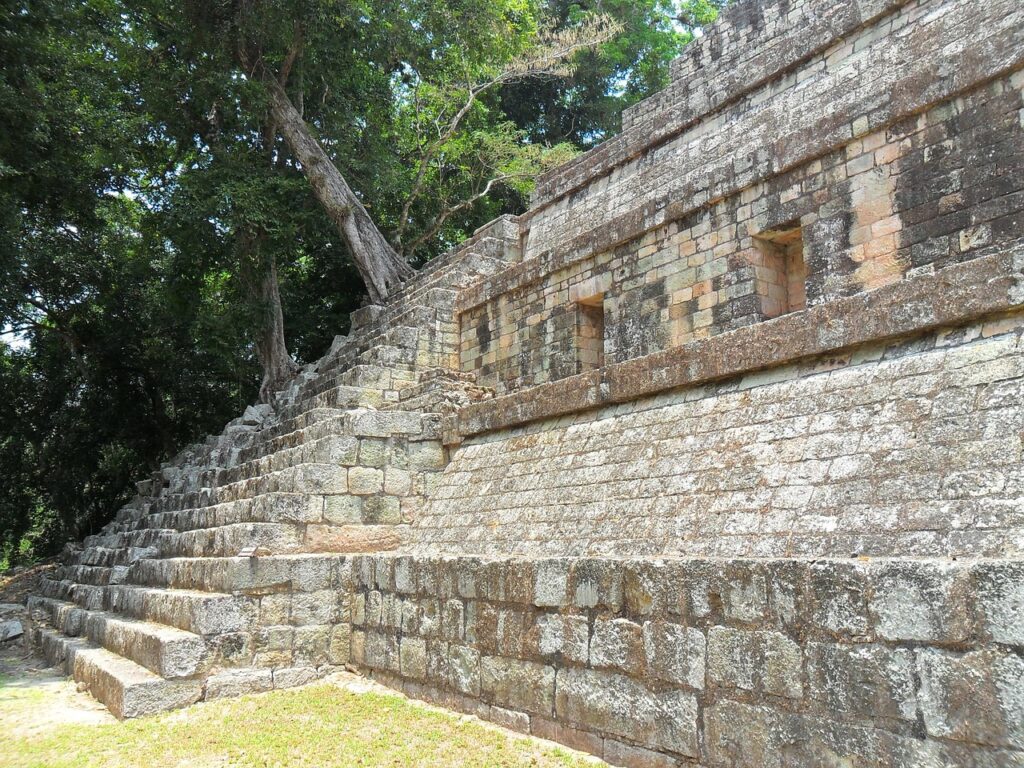
Honduras, Copan
Copan, in Honduras, holds a remarkable pyramid from the ancient Maya civilization. Known for its intricately carved stelae and hieroglyphic inscriptions, Copan was a major political and cultural center from the 5th to 9th centuries CE. The main pyramid, known as Temple 16, served as a royal tomb, and its grandeur reflects the city’s rich history and artistic achievements. Since 1980 Copan has belonged to UNESCO Archaeological World Heritage Site and is sometimes referred as Paris of the Mayan world.
El Salvador, Tazumal
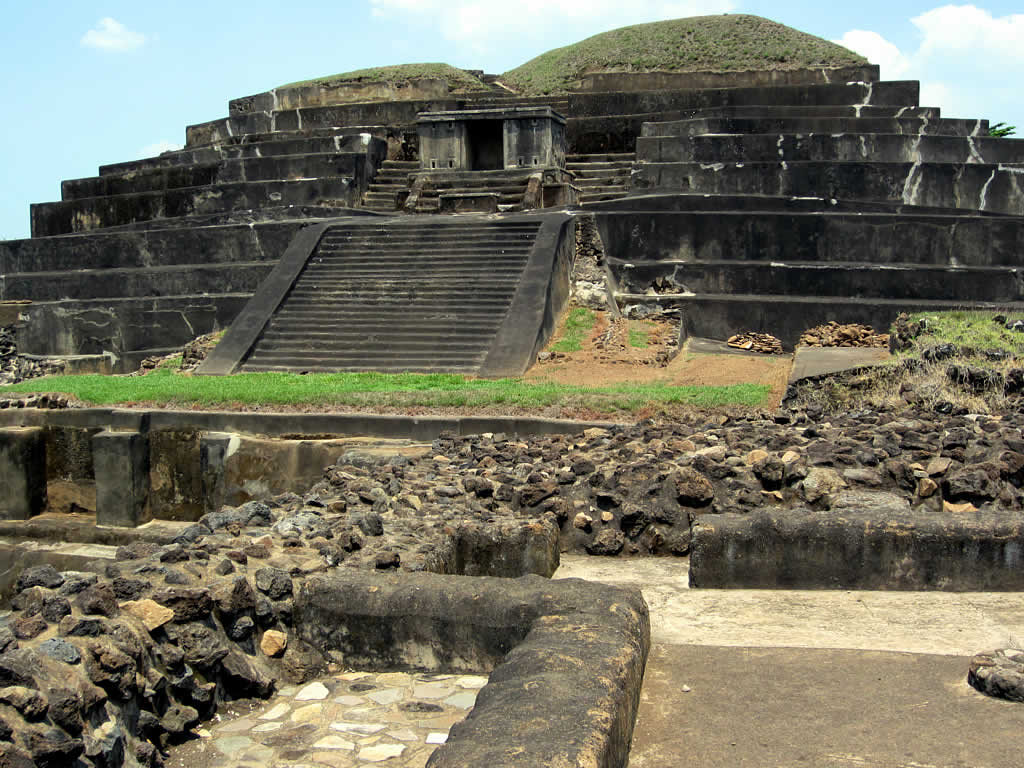
Tazumal in El Salvador is an important Mayan archaeological site dating back to around 100 CE to 1200 CE. The centerpiece is a massive step pyramid, standing approximately 23 meters (75 feet) tall. Excavations have uncovered intricate stone carvings, religious artifacts, and burial sites, shedding light on the city’s political and religious significance during the Classic and Postclassic periods of the Mayan civilization.
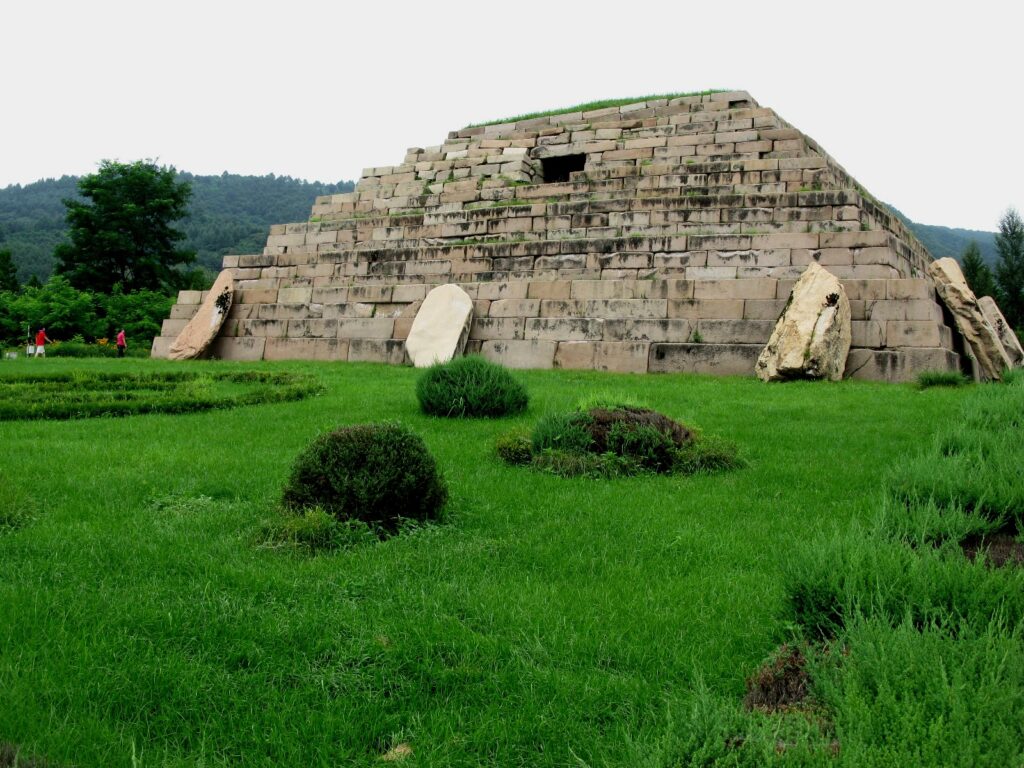
China, Chinapyramids of Xi’an
China’s pyramids in Xi’an, known as the Mausoleum of the First Qin Emperor, date back to around 210 BCE. The most famous is Emperor Qin Shi Huang’s tomb, guarded by the Terracotta Army. The largest pyramid, still unexcavated, is estimated to be around 51.8 meters (170 feet) tall. These ancient structures, with their immense historical and cultural significance, reveal the architectural brilliance and imperial grandeur of China’s early dynastic periods.
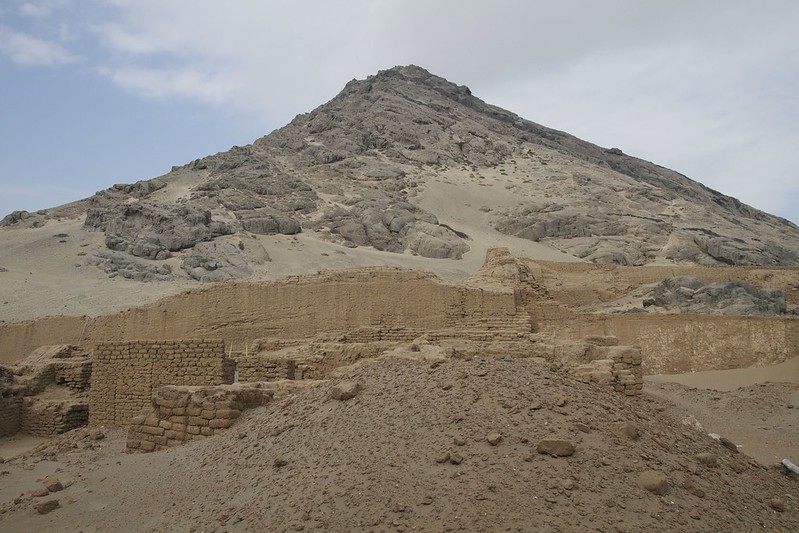
Peru, Huaca del Sol and Huaca de la Luna
Peru’s Huaca del Sol and Huaca de la Luna are prominent ancient adobe pyramids, located near Trujillo. Built by the Moche civilization between 100 and 800 CE, they were ceremonial centers and administrative hubs. Huaca del Sol was the largest pyramid in pre-Columbian America, reaching about 43 meters (140 feet) in height. These impressive structures offer a glimpse into the religious and cultural practices of the Moche people, reflecting their engineering prowess and artistic achievements.
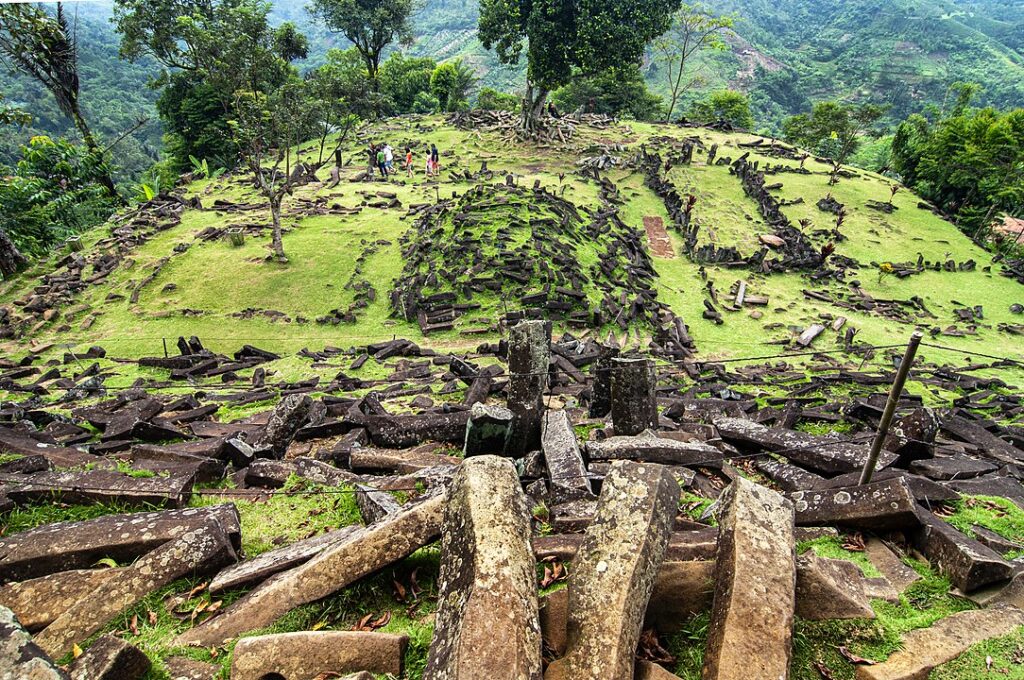
Indonesia, Gunung Padang
Indonesia’s Gunung Padang is a unique archaeological site with pyramid-like terraced structures. Located in West Java, it dates back over 4,800 years, making it one of the oldest structures in Southeast Asia. The site’s significance lies in its megalithic structures, which have sparked debates about its origin and purpose. Researchers believe it may have served as a ceremonial or religious complex, providing valuable insights into Indonesia’s ancient history and the development of early civilizations in the region.
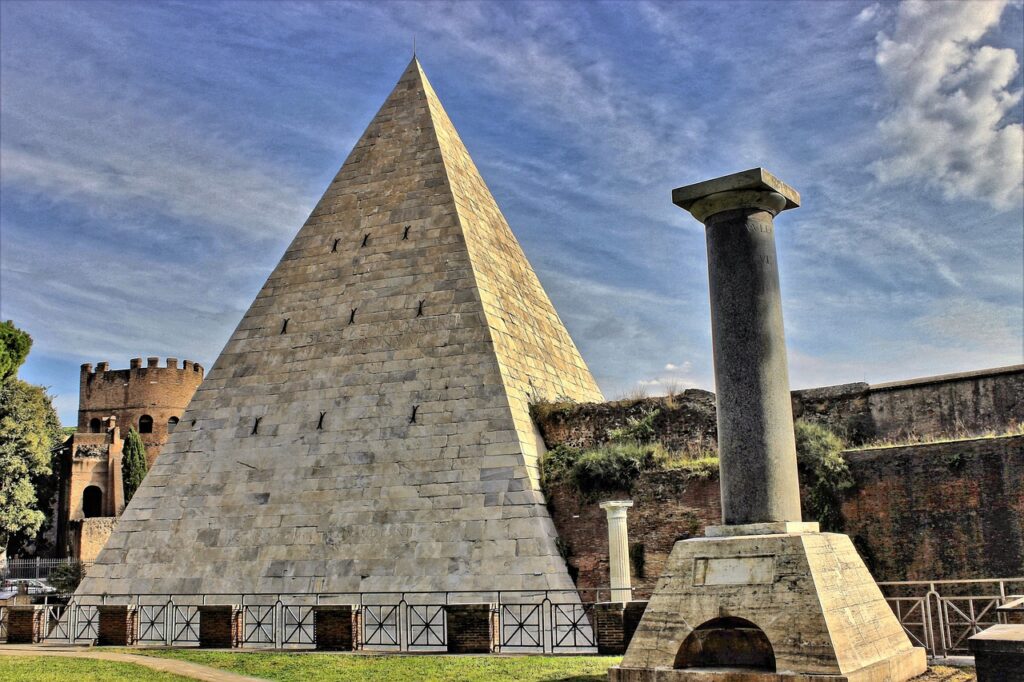
Rome, The Pyramid of Cestius
In Rome, the Pyramid of Cestius stands as a unique ancient monument. Built around 18-12 BCE, it is a 37-meter (121 feet) tall pyramid. It was constructed as a tomb for Gaius Cestius, a Roman magistrate. The pyramid reflects the fascination with Egyptian culture during the Roman Empire. The combination of Egyptian and Roman architectural styles makes it an intriguing structure amidst the historical landmarks of Rome. And it can be definitely added to the list of the largest pyramids in the world as well.
Sources: Wikipedia, TripAdvisor, Flickr.com, travelchinaguide.com

About Author
Freya
Photographer, artist, content creator, and a solo female traveler since 2017.